
Materialien
Deine Rechte im Job

Eine Einführung in das Arbeitsrecht und erste Schritte des Organizing
Sozialrechtliche Selbstverteidigung in Zeiten der Inflation – Übersicht über aktuelle Sozialleistungen

Eine kleine Übersicht über Sozialleistungen & andere Unterstützungsleistungen. Diese können den aktuellen finanziellen Wahnsinn etwas abfedern. Was sie aber natürlich nicht können, ist den Kampf fürs „Gute leben, für Alle“ zu ersetzen. Da sich gerade ständig was im sozialrechtlichen Bereich ändert, kann diese Übersicht nur als Einstieg und Überblick dienen.
Best-Of-Arbeitsrecht im Bild
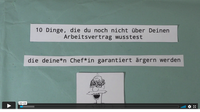
Die FAU Freiburg hat für euch ein Best-Of zusammengestellt: Eine Chartlist der besten Tipps, die euch Auseinandersetzungen auf der Arbeit helfen und euren Chef zur Weißglut bringen: 10 Dinge, die du noch nicht über deinen Arbeitsvertrag wusstest. Wenn ihr mehr über uns erfahren wollt, oder Hilfe bei einem Problem auf der Arbeit braucht, besucht unsere Website, werdet Mitglied. Und wenn ihr nicht in Freiburg wohnt, schaut auch bei den anderen Syndikaten vorbei.
Interviewreihe "Systemrelevant"
Aktive der FAU und anderer Gewerkschaften aus Berlin und Kaiserslautern haben diesen Sommer den unabhängigen Podcast systemrelevant auf YouTube gestartet, auf dem sie ausführliche Gespräche mit Arbeiterinnen und Arbeitern aus unterschiedlichen Berufen führen, um darüber zu sprechen, wie sie zu ihrem Beruf gekommen sind, was sie lieben und hassen an ihrer Arbeit, was für Geschichten sie mit Kunden erleben, wie viel sie verdienen und wie es schaffen, auch unter widrigen Umständen den Kopf oben zu halten und gemeinsam mit anderen für Verbesserungen zu kämpfen.
Skizze eines konstruktiven Sozialismus
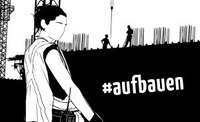
Wenn die Krise auch nicht viel Gutes gebracht hat, so doch zumindest, dass in der Linken ein Umdenken begann. Bereits 2009 wurde in der "Direkten Aktion" festgestellt, dass Klassen- und Transformationspolitiken wieder im Kommen sind. Das hat sich durchaus fortgesetzt, doch es wundert aber nicht, so der Autor, dass die Debatten oft kryptisch oder abstrakt bleiben. Holger Marcks versucht dem Abhilfe zu schaffen.
Gewerkschaft? Selbermachen! - Am Beispiel von drei Kampagnen der Industrial Workers of the World (IWW)

Digitale Reportage: Hinter den Kulissen basisgewerkschaftliche Organisierung
Gleiche Arbeit – Gleicher Lohn!
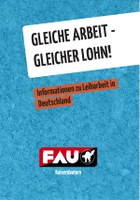
Infobroschüre der FAU Kaiserslautern zu Leiharbeit in Deutschland
Sexismus am Arbeitsplatz ...ist niemals OK
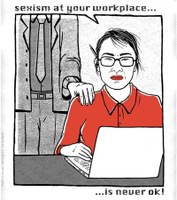
Situationen, in denen wir uns ungerecht und herablassend behandelt fühlen, benachteiligt oder ausgeschlossen werden, haben wir alle schon erlebt. Geschieht dies aufgrund unseres Geschlechtes oder der sexuellen Orientierung, spricht man von sexueller Diskriminierung. Gerade am Arbeitsplatz wird oft geschwiegen, aus Angst schlecht aufzufallen oder aus Scham. Dabei hat jede zweite Frau bereits derartige Erfahrungen am Arbeitsplatz gemacht. Die FAU Berlin wendet sich mit einem Infoflyer gegen Sexismus am Arbeitsplatz.
Information zur Anmeldung der Tätigkeit als Prostituierte*r
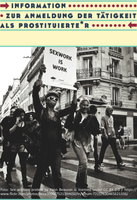
Seit dem 01. Januar 2018 darf nur noch in der Sexarbeit tätig sein, wer sich offiziell angemeldet hat. Seitdem musst du mit einer Geldstrafe von bis zu 1000€ rechnen, wenn du unregistriert arbeitest. Der „Hurenpass“ gilt für alle unter 21 Jahren für ein Jahr, für alle, die älter als 21 Jahre sind, gilt er für zwei Jahre. Gegen die neue Gesetzeslage gibt es vielfachen Widerspruch und Widerstand von Sexarbeiter*innen. Die FAU Berlin informiert an dieser Stelle über das neue Prostitutionsschutzgesetz (ProstSchG) sowie die Registrierung für Sexarbeiter*innen.
"Ich will mein Geld!" - Ein Ratgeber für alle, die auf ihr Honorar warten

Der Job ist fertig, abgeschickt, erledigt. Alles wunderbar, fehlt nur noch die Bezahlung. Jetzt heißt es: Warten. Und warten. Noch ein bisschen warten. Irgendwann hast du das Gefühl, dass es nun lange genug gedauert hat. Diese Broschüre der FAU Berlin beschreibt einige Möglichkeiten, um den Auftraggeber / die Auftraggeberin dazu zu bringen, das ausstehende Honorar zu bezahlen, und wir warnen vor Fehlern, die es dabei zu vermeiden gilt.
Streiken ist unser gutes Recht!
Feminstisch Streiken und statt zur Arbeit zur Demo gehen am 9. März? Streik gegen die drohende Wehrplicht? Oder gegen den Angriff auf den Mindestlohn in der Landwirtschaft? Chef:innen und #DGB behaupten immer wieder politischer #Streik sei in Deutschland verboten. Ganz so einfach ist es nicht! Aus aktuellem Anlass ein Verweis auf eine alte Broschüre.
Deine Rechte im Minijob

Diese von der FAU Münsterland herausgegebene Broschüre gibt Euch eine kleine Einführung in das Arbeitsrecht zum Thema Minijob.
Vortrag: Der historische Anarcho-Syndikalismus
Erarbeitet von der Theorie AG der FAU Magdeburg. Ende 2021 fand dieser erstmalig öffentlich statt. Eine Aufnahme hiervon ist auf Youtube zu hören.
Video-Vortrag der FAU Stuttgart zum Thema Anarchosyndikalismus (auf Youtube)
Der anarchistische Syndikalismus ist eine Strömung in der Gewerkschaftsbewegung, welche die Selbstorganisation der Arbeiter*innen, ihre Autonomie gegenüber Staat und Parteien und den Föderalismus betont. Mit ihm werden die direkte Aktion als Methode bevorzugt, die Ermächtigung der Arbeiter*innen und die Herausbildung ihres Bewusstseins befördert. Anarchistische Syndikalist*innen gehen dabei von einem weiten Klassenbegriff aus, unter dem sich Lohnabhängige aus unterschiedlichen sozialen Situationen und Positionen in der Klassengesellschaft zusammenschließen können. Dabei dienen die Syndikate zugleich als Kampforganisationen und Keimzellen der angestrebten Gesellschaft und versuchen sie somit bereits im Hier&Jetzt zu verwirklichen.
Podcastreihe : Spuren der Arbeit
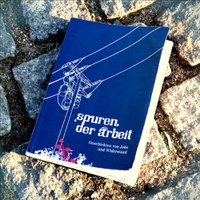
Die Hälfte unserer Wachzeit verbringen wir bei der Arbeit. Unsere Lebensjahre sind mit Geschichten über die Arbeit verwoben, die am Esstisch, im Pausenraum und in Bars erzählt werden. Doch diese Geschichten werden selten gedruckt, untersucht oder so gesehen, wie sie es sein sollten: als Teil dessen, was Arbeiter:innen tun, um ihre Stellung im Kapitalismus zu verstehen und zu verändern. Auf dem Blog Recomposition von den IWW (Industrials Workers of the World) veröffentlichten Arbeiter:innen ihre Geschichten. Aus ihnen entstand im Jahr 2013 der Sammelband „Lines of Work. Stories of Work and Resistance“. Die deutsche Übersetzung erschien 2021 beim Verlag Die Buchmacherei. In diesem Podcast erscheint jeden Montag ein neues Kapitel des Sammelbands.
Klassische Texte des Anarchosyndikalismus
Die FAU basiert auf den Ideen des Anarchosyndikalismus, die vor allem in der ersten Hälfte des 20. Jahrhunderts große Teile der radikalen Gewerkschaftsbewegung in Spanien, Frankreich, Italien, Argentinien, Deutschland und einigen anderen Ländern prägten. Wir dokumentieren hier einige grundlegende, konzeptionelle Texte dieser Zeit.
Biographien
Eine kleine Sammlung von Biographien bekannter und weniger bekannter Anarchosyndikalist*innen
uploads
Finger weg vom Streikrecht
Diese Kampagne richtete sich gegen die vor einigen Jahren geplante und inzwischen durchgesetzte Gesetzesänderung zur so genannten Tarifeinheit.